10 Reasons Your Reactive Dog Training Isn't Working (And How to Fix It)
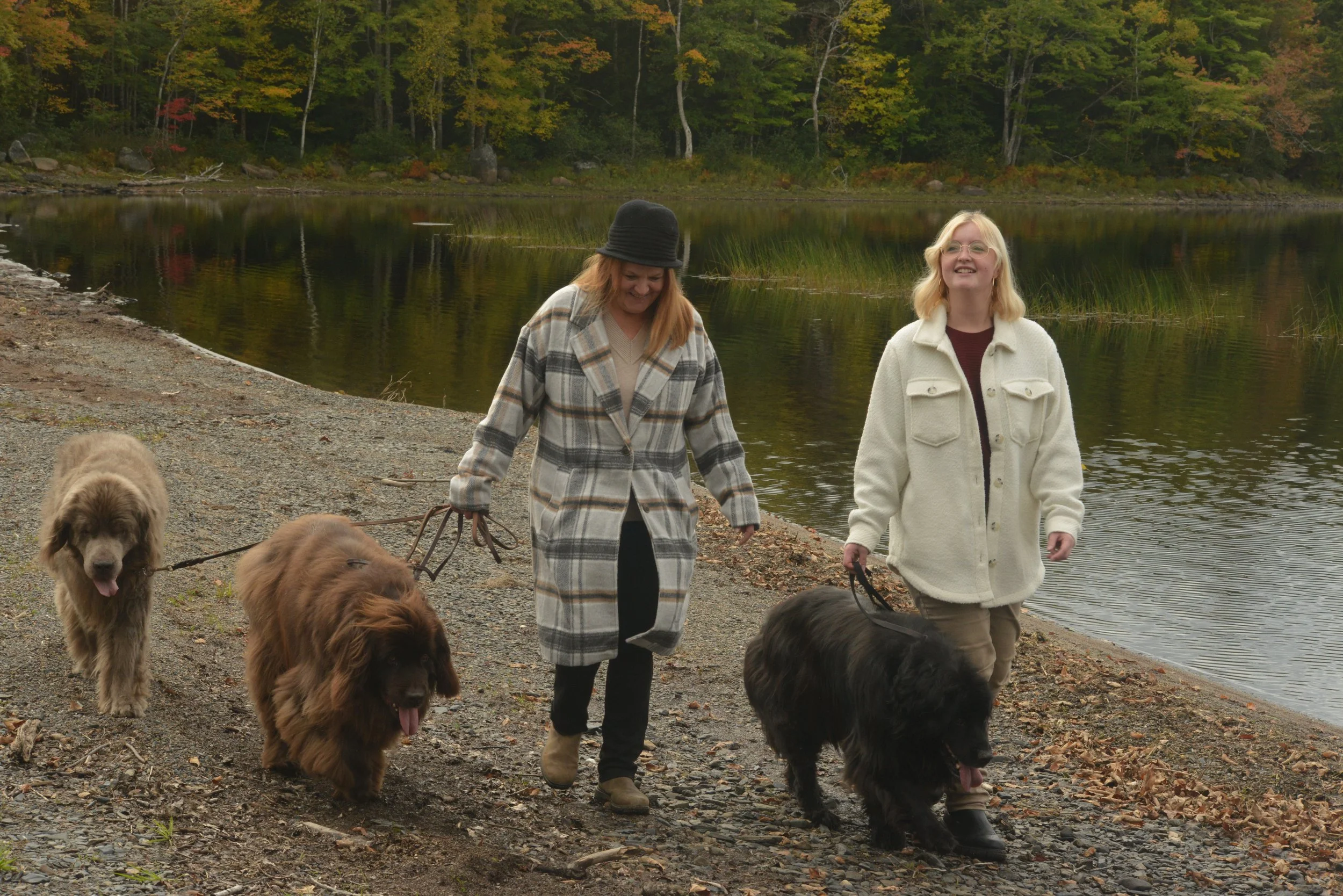
I’ve been exactly where you are.
I remember the tightening in my chest every time we rounded a corner.
The frantic scanning for other dogs.
The shame I felt when my dog would explode into a lunging, barking mess while the neighbors watched.
Even with my background as a retired vet tech, I felt like a failure.
I tried the sits, the stays, and the pocketfuls of high-value treats.
But it felt like I was just managing a bomb rather than helping my best friend.
If you’re feeling exhausted and hopeless, I want you to know: you aren't alone.
We’re going to walk this journey together.
Here are the 10 reasons your reactive dog training might be hitting a wall, and how we can start shifting toward a life of trust instead of tension. 🐾
1. You’ve Fallen into the "Obedience Trap"
Most of us are taught that if a dog is "acting up," they just need more "commands."
We think if they could just sit or heel perfectly, the reactivity would vanish.
But here’s the truth: you can't train the fear out of a dog with obedience.
Commands are logical. Fear is emotional.
When your dog is panicking, they don't need a drill sergeant; they need a partner.
Instead of focusing on "sit," focus on how they feel.
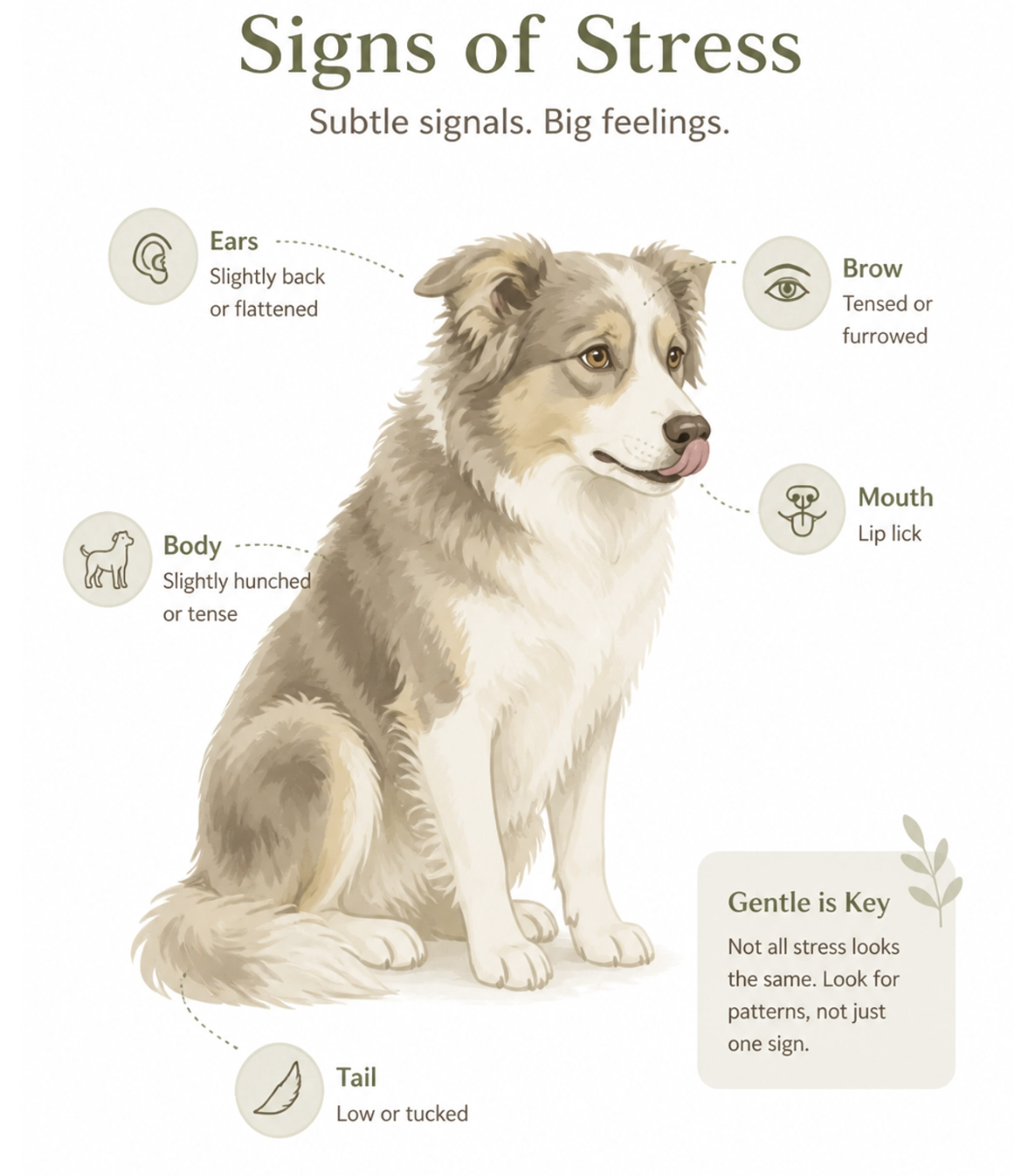
2. You’re Missing the "Whispers"
We usually only notice the reactivity when it’s loud, the barking, the lunging, the snapping.
But your dog has been "talking" to you long before that "blowout."
Are you seeing the dog body language signs that happen seconds (or minutes) before the explosion?
A tiny lip lick.
A momentary freeze or "hard stare."
A tensed brow or ears pinned slightly back.
When we miss these whispers, our dogs feel they have to "scream" to be heard.
3. You’re Trying to "Bribe" a Panicked Brain
Have you ever tried to hand your dog a piece of prime rib while they were mid-meltdown, only for them to ignore it?
Or maybe they take it, but they’re still frantic?
This is the "threshold" problem.
If your dog is already over their threshold, their "learning brain" has effectively shut down.
At that point, food isn't training; it’s a bribe that’s being ignored because they're in survival mode.
Fearful dog training only works when your dog feels safe enough to actually process the reward.
4. Your Tools are Acting as "Remote Controls"
It’s easy to rely on certain collars, harnesses, or leashes to "stop" the behavior.
But if we’re using tools to physically suppress the reaction, we aren't building trust.
We’re just using a remote control to manage the symptoms.
Real leash reactivity training happens through the connection at the other end of the leash, not the pressure of the tool itself.
5. Left-Brain vs. Right-Brain Disconnect
This was a huge "lightbulb moment" for me.
Think of it this way:
The Left Brain is the logical side. It handles your "sits," "stays," and "downs."
The Right Brain is the emotional side. It handles fear, flight, and big reactions.
When your dog is reactive, their right brain has completely taken over.
You can’t shout "left-brain commands" at a "right-brain emergency."
To calm an anxious dog, we have to address the emotion first to bring that logical brain back online.
6. "When Life Gets Lifey": The Lack of Routine
Imagine if every time you stepped outside, you didn't know if you’d be safe or overwhelmed.
That’s how many fearful dogs feel.
Without a predictable lifestyle and routine, their cortisol levels stay high.
How to calm an anxious dog often starts inside the house, not on the sidewalk.
By creating a "safe harbor" through routine, you lower their baseline stress so they can handle the "lifey" moments outside.
7. They’re "Reading" Your Tension
I know, I know, everyone tells you to "be calm."
But when you see a trigger and your heart starts racing, your dog feels that through the leash.
They think, "Oh no, Mom is scared too! There really IS a monster!"
It’s not about being a perfect, emotionless robot.
It’s about learning to breathe and lead with a "gentle confidence" that tells them, "I've got this, so you don't have to."
8. You’re Moving Too Fast
We often want the "fix" yesterday.
We try to walk past three dogs on a narrow path when our dog can barely handle one dog across the street.
If you push too hard, you’re just practicing the panic.
Success in dog behavior modification is found in the tiny, boring wins.
Imagine the relief of a walk where nothing happens because you chose the quiet route and stayed under threshold. That's where the magic is.
9. Treating the Symptom, Not the Source
Barking is a symptom. Lunging is a symptom.
The source is usually fear or a lack of confidence.
If we only punish the barking, we leave the fear underneath to fester.
It’s like putting a band-aid on a broken leg.
We need to go "Beyond Obedience" and heal the relationship from the inside out.
10. You’re Seeking Control, Not Connection
This is the biggest one.
Are you trying to make your dog do something, or are you inviting them to partner with you?
Control is fragile. It breaks the moment a squirrel runs by or a car backfires.
Connection is resilient.
When your dog trusts you, they look to you for guidance when things get scary, rather than taking matters into their own paws.

How to Start Fixing It (The Trust-Based Way)
Ready to stop the cycle of frustration? Let’s break it down into simple, manageable steps.
Step 1: Listen and Learn
Start by shifting your perspective. My Beyond Obedience Podcast is full of stories and lessons on how to rebuild that broken trust. Check out Episode #30 specifically to see if your dog's reactivity is truly fear-based.
Step 2: Observe the "Whispers"
Spend the next three days just watching your dog’s body language in "boring" situations. What do their ears do when they hear a distant noise? What does their tail say? Getting fluent in their language is the first step to partnership.
Step 3: Join a Supportive Community
You don't have to do this alone. We have a community of dog lovers who "get it." No judgment, just support. You can join our journey and get the guidance you need through the Fearless Framework.
Imagine waking up and actually looking forward to your morning walk.
Imagine your dog seeing a trigger, looking up at you, and waiting for your lead instead of exploding.
It is possible. I’ve lived it, and I’ve helped hundreds of others live it too.
You’ve got this. And I’m right here beside you. 👣
Warmly,
Tracy 🐾