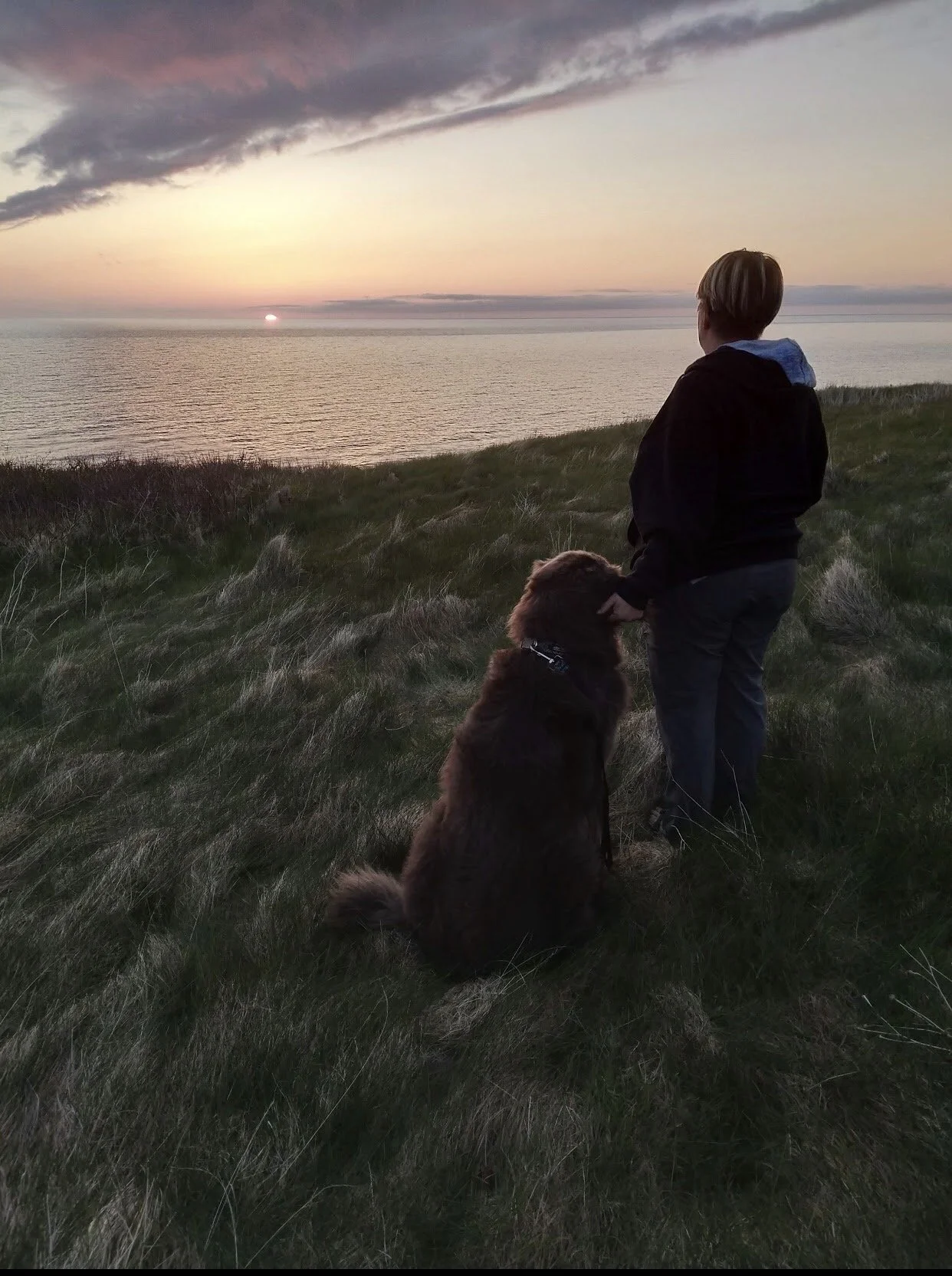
Have you ever been lying awake at 3 a.m. thinking, What if I’m the reason my dog isn’t getting any better?
You’ve tried training. You’ve followed the advice. You’ve done all the things you were told to do, and still, your dog barks, lunges, struggles with visitors, or finds the world too much.
If you’re carrying that private worry, I want you to know you’re not alone. I’ve heard it from so many dog lovers who love their dogs deeply and are trying to find a way forward.
Your dog’s behaviour is not a measure of whether you’re a good enough person for them.
Why dog behaviour can make you question yourself
Maybe there was another difficult walk. Your dog barked and lunged at another dog. Maybe someone came to visit, and it didn’t go the way you hoped. Or maybe you had to give up something you wanted to do together.
Afterward, you replay it all.
Did I react too late? Did I reward at the wrong time? Was I inconsistent? Did I make things worse?
And then there’s the advice. One person tells you to do one thing; another says the very thing you tried is the problem. You’re supposed to be calm, confident, consistent, prepared, and ready with the perfect response every time.
When you can’t be all of those things, it’s easy for the questions to turn inward: Maybe I’m just not good enough.
That is a heavy place to land when all you wanted was to enjoy life with your dog.
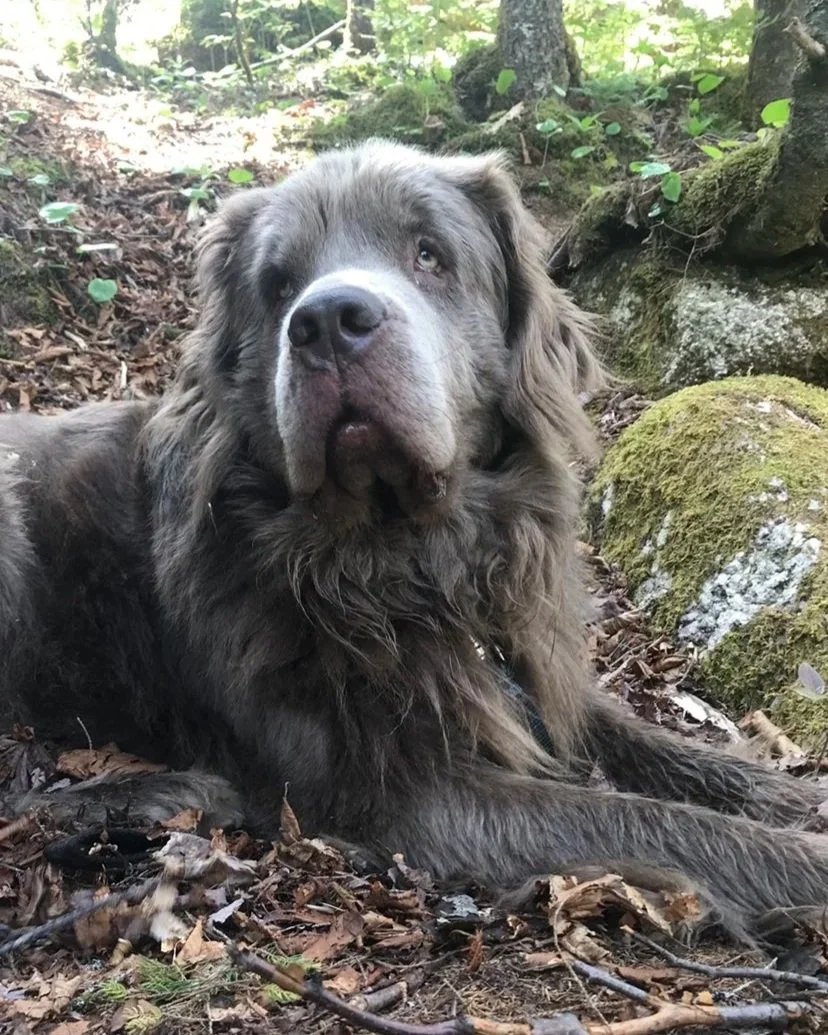
Am I a bad dog owner if my dog is reactive or fearful?
No single difficult walk, setback, or imperfect response can tell you whether you’re a good dog owner.
You influence your dog, of course. Your movement, timing, expectations, and decisions in challenging moments all matter. Sometimes we make things easier for our dogs; sometimes, without meaning to, we make things harder.
But being part of what’s happening isn’t the same as being the problem. A dog’s struggles don’t automatically mean that you caused them or that you’ve failed.
If your dog’s behavior changes suddenly or becomes more intense, it may be worth talking with your veterinarian or a qualified behavior professional. Fearful dog training and dog behavior modification should take the whole picture into account, not turn every challenge into a reason to blame yourself.
> Responsibility asks, “What can I learn and change?” Blame says, “I am the problem.” Those are not the same thing.
The honest question: Is this the right match?
I want to be real with you, not just pat you on the back and say everything is fine.
Sometimes a person and a dog genuinely aren’t the right match. A dog’s needs may not fit what a household can reasonably provide. For example, a busy home with two full-time workers and children rushing from one activity to another may struggle to meet the needs of a high-energy dog who needs a great deal of time and thoughtful support.
There’s another kind of mismatch, too. Sometimes someone has a picture in their mind of the dog they wanted, and they keep trying to turn the dog they have into that imagined dog. They aren’t willing to get curious about who their dog is or adjust their expectations.
That’s different from someone who desperately wants to bridge the gap but doesn’t know how.
If you’re listening, learning, asking questions, and trying to understand your dog, even when you’re exhausted, you’re showing up for the relationship. Give yourself credit for that.
How to stop dog training guilt: try the “How interesting” practice
When reactive dog training or leash reactivity training feels like it isn’t working, it’s tempting to search for the one perfect answer. I don’t have every answer. I’m still learning, too.
What we can do is replace self-judgment with curiosity. My phrase for that is “How interesting.”
Here’s a simple practice for the next time things go sideways:
Step 1: Pause the blame
Instead of “Oh my God, what did I do wrong?” try, “How interesting. What was happening around us?”
You don’t need to pretend the moment was easy. You’re just giving yourself a little space before you decide what it means about you.
Step 2: Notice what you and your dog were responding to
Ask yourself: What was my dog paying attention to? What was I noticing? Did I get caught up in my own thoughts? Was I moving toward something or holding the leash more tightly?
Notice your dog’s body language signs, too. The details may help you understand what the moment felt like for them. For now, you’re gathering information, not building a case against yourself.
Step 3: See what happened next, and adjust
Did the situation get easier or harder? Did your dog recover quickly, or did they need more space? If an approach didn’t help, that’s useful information. Try something different next time.
In the Fearless Framework, I’ve talked with students like Lynn about testing an idea and adjusting when it doesn’t work for their dog. Try it, test it, tweak it, and move on without deciding you’re a failure.
Ask “How interesting?” on the good days, too
It’s natural to review the moments that went badly. But the good moments have something to teach you, too.
When a walk feels easier or your dog handles something that usually worries them, ask: How interesting. What happened between us that helped?
You may not know the answer right away. Maybe you chose a different route, gave your dog more room, or simply had a moment when you both felt less rushed. Or maybe it went well and you can’t identify why. That’s okay.
Over time, you may start to recognize patterns. Understanding what’s working is just as valuable as noticing what isn’t.
Put some of the noise down and find the relationship again
Walks, adventures, sharing your home, laughing at the ridiculous things your dog does: that’s the life you wanted together. Sometimes the relationship gets buried under advice, tools, techniques, treats, and pressure to do everything right.
Training and equipment aren’t bad. But they’re there to support the relationship, not replace it.
When you’re unsure what to do, try coming back to your dog in front of you: What does this dog need? What might they be telling me? Can we figure this out together?
The goal isn’t for you to be perfectly calm at every moment, or for your dog to be calm all the time. It’s to become present, clear, responsive, and willing to adapt. Be what you want your dog to be. Small, thoughtful moments can help build trust between you.
What if you’re one of the reasons your dog can get better?
Not because you’re perfect. Not because you’ll never make another mistake. But because you’re willing to listen, learn, pay attention, and keep working out what helps the two of you.
You don’t have to become somebody else. You don’t have to know everything or get everything right. You can keep growing into a better partner for your dog without losing yourself along the way.
If you’d like support as you work through fear-based behavior, you can explore the Fearless Framework. You’re also welcome to join the Living Beyond Obedience Facebook group and connect with dog lovers walking a similar path. Or contact me if you’re not sure what kind of support might help.
Want to hear the full conversation? Listen to episode 248 of the Beyond Obedience podcast on Apple Podcasts.
You are enough for your dog. Keep learning, keep growing, and keep discovering what the two of you can build together.
Be the person your dog thinks you are. 🐾
Frequently asked questions
Am I the reason my dog isn’t getting better?
You may influence what happens between you and your dog, but that doesn’t mean you caused their struggles or that you’re the problem. Look at difficult moments with curiosity: what happened, what did your dog need, and what might you try differently?
Am I a bad dog owner if my dog is fearful or reactive?
A dog’s fearful or reactive behaviour does not, on its own, make you a bad dog owner. Caring enough to seek understanding and support is meaningful. You don’t have to be perfect to keep learning with your dog.
How do I stop blaming myself for my dog’s behaviour?
Try replacing “What did I do wrong?” with “How interesting: what was happening?” Notice the context, your dog’s response, and what happened next. The purpose is to gather information and make thoughtful adjustments, not judge yourself.
What’s the difference between responsibility and blame in dog training?
Blame turns a difficult moment into a judgment about your worth: “I’m doing everything wrong.” Responsibility asks what you can learn and change. It recognizes your influence without making you solely responsible for every behaviour.
What if my dog would be better off with someone else?
It’s okay to think honestly about whether your dog’s needs fit your household. A genuine mismatch can happen, but struggling to find the right support is not the same as being unwilling to meet your dog’s needs. If you’re unsure, talk it through with a knowledgeable professional who can help you consider the whole situation.
How do I know if my dog is the right match for my family?
Consider your dog’s needs alongside your household’s time, routines, resources, and capacity to adapt. Also ask whether you’re willing to understand the individual dog you have, rather than expecting them to match an imagined version of a dog. When the answer is unclear, seek thoughtful, individualized guidance.